Understanding the crucial role of water in nutrient transport and cellular function.
Water constitutes approximately 60% of adult body weight and serves as the primary solvent for virtually all biochemical processes. Beyond hydration, water is the medium through which nutrients are transported, absorbed, and utilized by cells.
Most water-soluble vitamins, including B-vitamins and vitamin C, require adequate water content in the digestive tract for optimal absorption. Water dissolves these nutrients, facilitating their passage across the intestinal epithelium into the bloodstream. Similarly, minerals like calcium, magnesium, and potassium require water-based transport systems.
Intracellular water provides the aqueous environment necessary for enzymatic reactions. Enzymes, which regulate virtually all metabolic processes, require water to function. Adequate hydration ensures that cells maintain proper osmotic balance and can efficiently carry out their metabolic responsibilities.
Water works in conjunction with electrolytes (sodium, potassium, magnesium, calcium) to maintain cellular voltage gradients essential for nerve impulses, muscle contractions, and heart function. Proper hydration supports the regulation and distribution of these critical minerals.
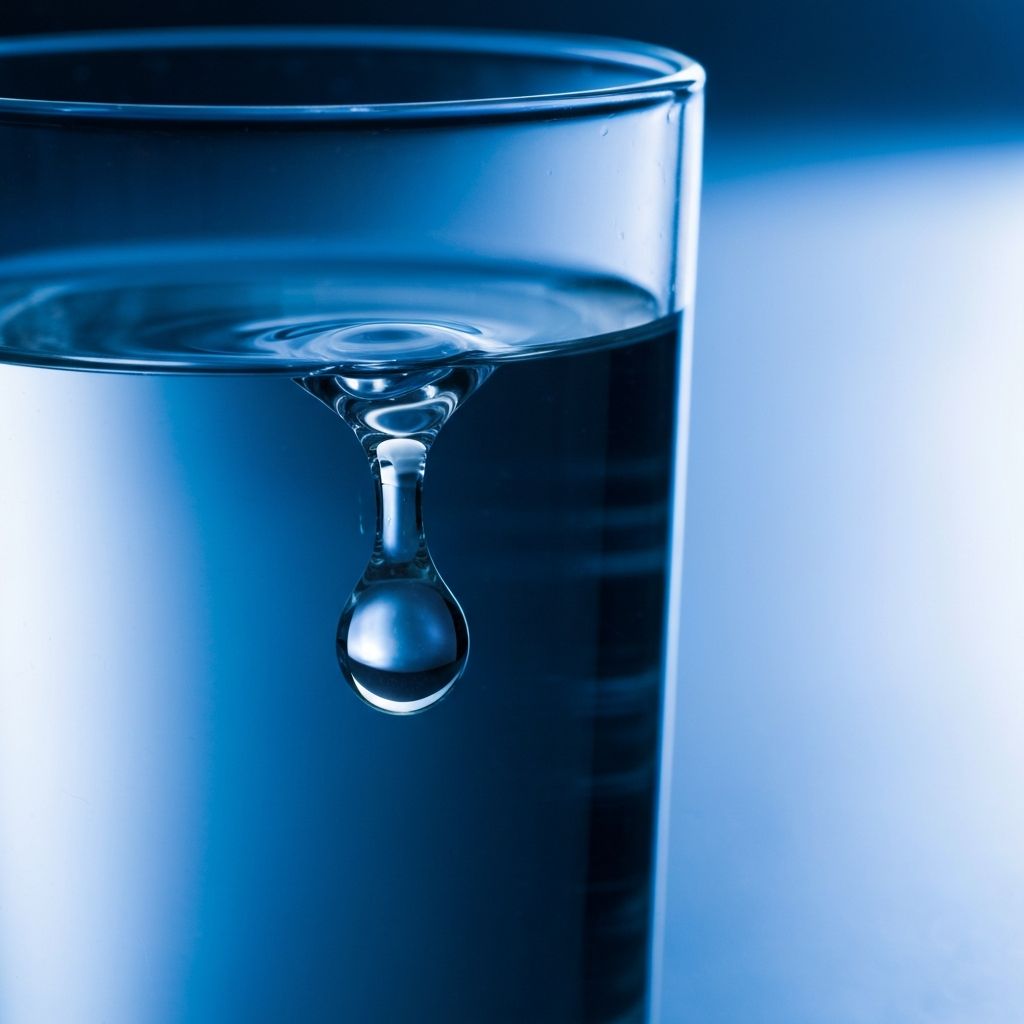
Bioavailability refers to the extent and rate at which a nutrient is absorbed and becomes available to body tissues. Hydration status directly influences bioavailability through several mechanisms:
Adequate hydration maintains blood volume, ensuring efficient nutrient transport to tissues. Dehydration reduces blood volume, which can impair the delivery of absorbed nutrients to cells that require them. This cascading effect means that even when nutrients are consumed, their functional availability diminishes with inadequate water intake.
The digestive process requires water to produce digestive secretions—saliva, gastric juice, bile, and intestinal secretions. These fluids break down food and create an environment conducive to nutrient absorption. Insufficient water intake can reduce the efficiency of these processes.
The kidneys regulate electrolyte balance and excrete metabolic waste products. This regulatory function requires adequate water. When hydration is insufficient, the kidneys concentrate urine, which can affect mineral balance and nutrient metabolism.
Thirst sensation may diminish with age, meaning older adults may not receive adequate signals to drink sufficient water. Additionally, certain conditions, medications, and changes in kidney function can affect hydration needs and nutrient absorption efficiency. Individual hydration requirements vary based on activity level, climate, and metabolic factors.
Water is not simply a vehicle for hydration—it is fundamental to nutrient absorption, transport, utilization, and the maintenance of cellular function. Understanding this connection highlights why adequate fluid intake is considered foundational to nutritional health. The specific amount of water needed varies by individual, activity level, and environmental conditions.
Not a medical product. Consult a doctor before use.